 Autoplast
· Irrigation Systems Team · Irrigation Systems · 6 min read
Sprinkler Irrigation Systems - Complete Guide for Modern Agriculture
Comprehensive guide to sprinkler irrigation systems, covering types, design principles, installation, and optimization for maximum crop yields and water efficiency.
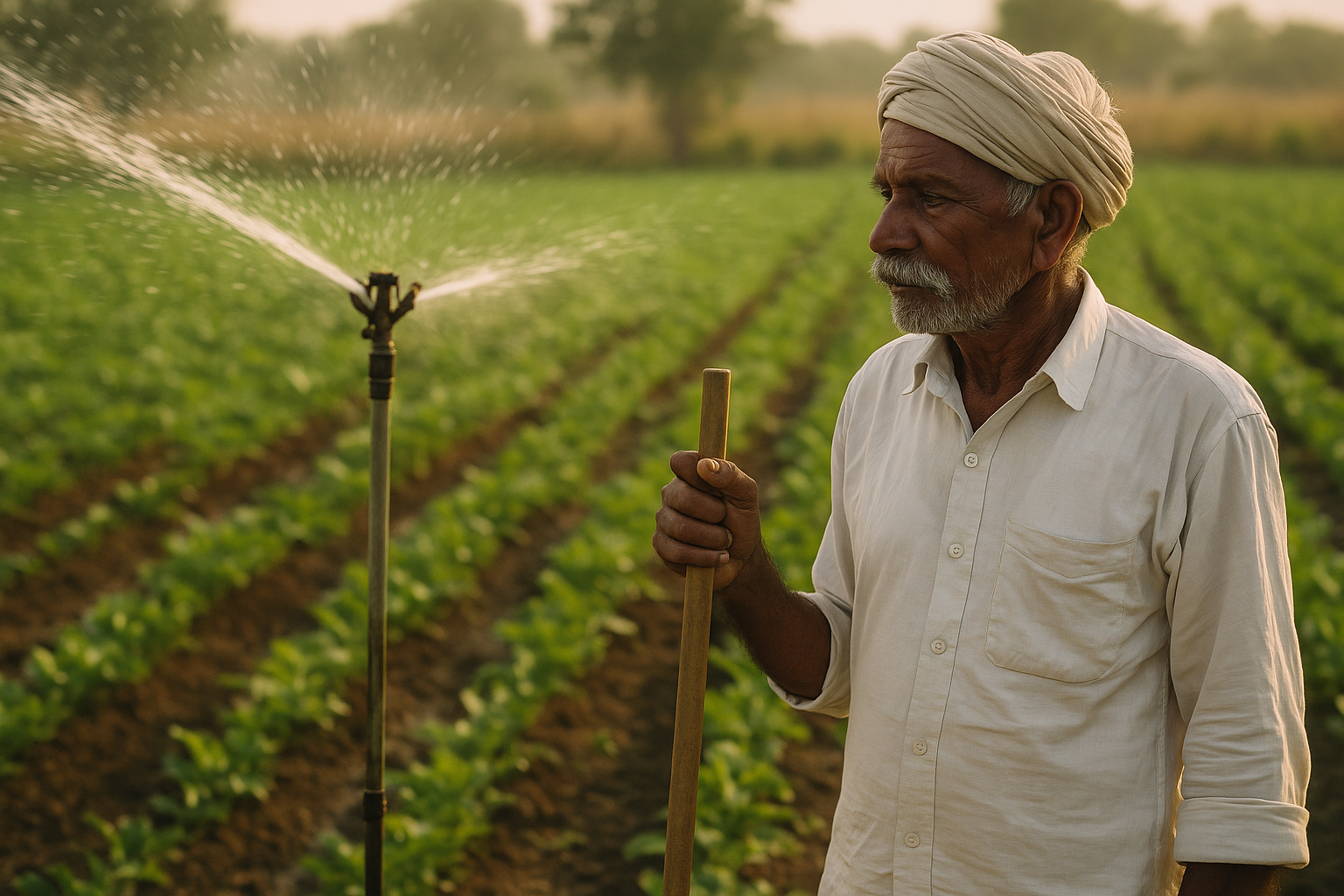
Mastering Sprinkler Irrigation for Optimal Crop Production
Sprinkler irrigation systems have transformed modern agriculture by providing uniform water distribution, improved crop yields, and efficient water management. Whether you’re growing field crops, vegetables, or managing large agricultural operations, understanding sprinkler systems is essential for maximizing your irrigation investment and achieving sustainable farming success.
Understanding Sprinkler Irrigation Systems
How Sprinkler Systems Work
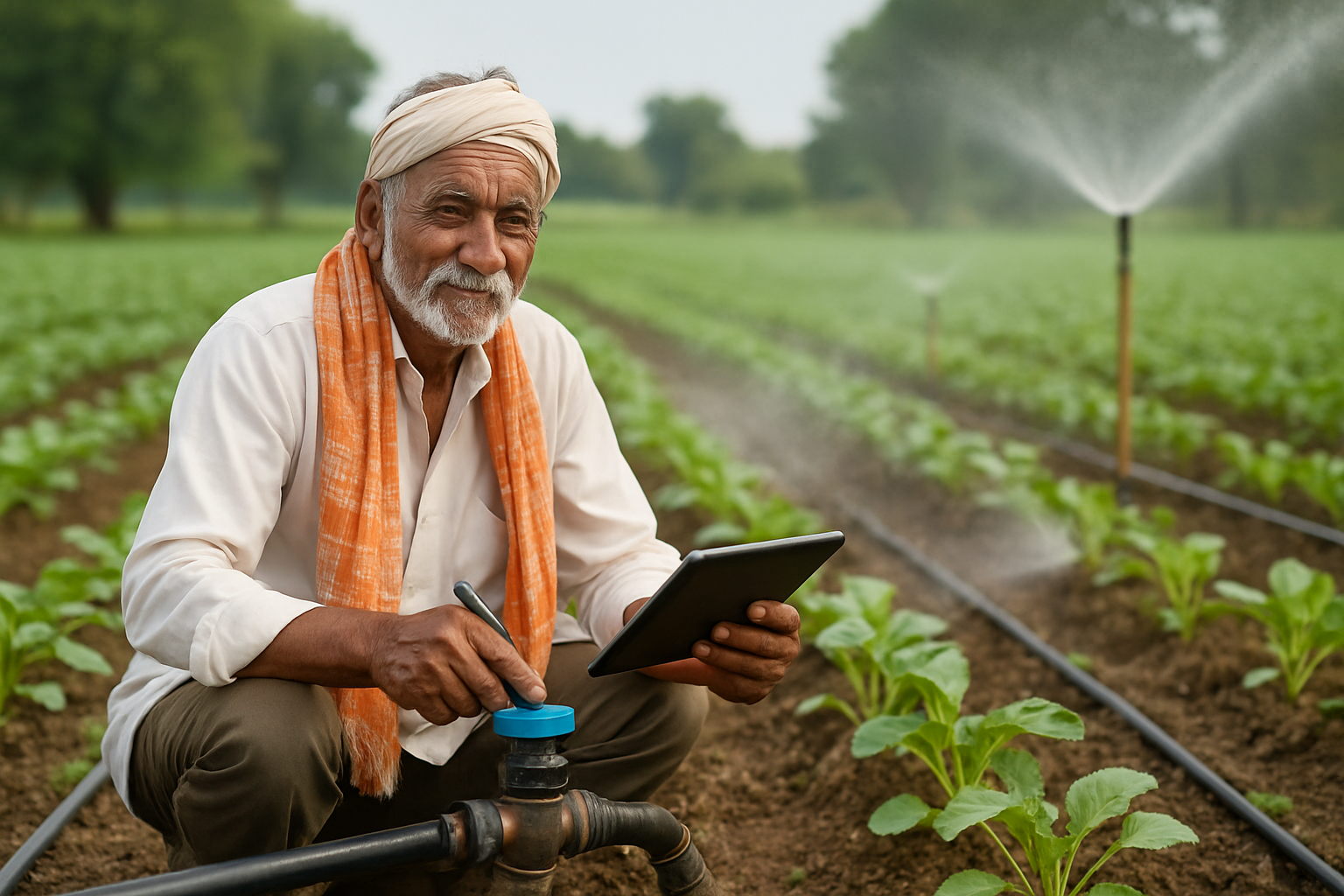
Sprinkler irrigation mimics natural rainfall by distributing water through a network of pipes and sprinklers. Water is pressurized and delivered through nozzles that create spray patterns, ensuring even coverage across the irrigated area.
Key Components:
- Water Source: Well, reservoir, or municipal supply
- Pump System: Pressurizes water for distribution
- Main Lines: HDPE pipes carrying water to field areas
- Distribution Lines: Smaller pipes feeding sprinkler zones
- Sprinkler Heads: Create water spray patterns
- Control Systems: Valves, timers, and automation
Types of Sprinkler Systems
Fixed Sprinkler Systems:
- Permanent installation
- Underground pipe network
- Pop-up or fixed sprinkler heads
- Ideal for permanent crops and landscaping
Portable Sprinkler Systems:
- Movable components
- Surface pipe layout
- Flexible positioning
- Cost-effective for seasonal crops
Semi-Portable Systems:
- Fixed main lines with movable laterals
- Balance of convenience and cost
- Suitable for medium-scale operations
- Easy repositioning for crop rotation
Center Pivot Systems:
- Large-scale mechanized irrigation
- Circular coverage patterns
- Automated movement and control
- Ideal for field crops and large areas
Sprinkler Types and Selection
Impact Sprinklers
Characteristics:
- Rotating arm mechanism
- Large droplet size
- Wind-resistant operation
- Long-range coverage
Applications:
- Field crops (wheat, corn, cotton)
- Windy conditions
- Large-scale irrigation
- Areas requiring deep penetration
Advantages:
- Durable and reliable
- Wide coverage area
- Simple maintenance
- Cost-effective operation
Spray Sprinklers
Characteristics:
- Fixed spray patterns
- Smaller droplet size
- Precise water distribution
- Lower pressure operation
Applications:
- Vegetables and row crops
- Greenhouse irrigation
- Nurseries and gardens
- Close-spacing requirements
Advantages:
- Uniform water distribution
- Gentle water application
- Energy efficient
- Variety of spray patterns
Rotary Sprinklers
Characteristics:
- Rotating spray mechanism
- Multiple nozzle options
- Adjustable flow rates
- Medium to large coverage
Applications:
- Fruit orchards
- Large vegetable fields
- Sports turf and landscaping
- Municipal irrigation
Advantages:
- Excellent uniformity
- Wind-resistant design
- Adjustable patterns
- Long service life
Micro Sprinklers
Characteristics:
- Low flow rates
- Small coverage areas
- Precise water application
- Energy-efficient operation
Applications:
- Tree crops and orchards
- High-value vegetable crops
- Greenhouse cultivation
- Water-sensitive plants
Advantages:
- Water conservation
- Reduced evaporation losses
- Precise irrigation control
- Lower operating pressures
System Design Principles
Coverage Patterns and Spacing
Spray Pattern Types:
- Full Circle: 360-degree coverage
- Part Circle: Adjustable arc patterns
- Square Patterns: Rectangular coverage areas
- Strip Patterns: Linear irrigation zones
Spacing Calculations:
- Head-to-Head Spacing: Overlapping coverage for uniformity
- Triangular Spacing: Maximum area coverage efficiency
- Square Spacing: Simplified layout and installation
- Irregular Spacing: Custom patterns for field shapes
Pressure Requirements
Operating Pressure Factors:
- Sprinkler type and model
- Coverage area requirements
- Wind conditions
- Elevation changes
- Pipe friction losses
Pressure Guidelines:
- Impact Sprinklers: 2.5 - 4.5 bar
- Spray Sprinklers: 1.5 - 3.0 bar
- Rotary Sprinklers: 2.0 - 4.0 bar
- Micro Sprinklers: 1.0 - 2.5 bar
Flow Rate Calculations
Factors Affecting Flow Rates:
- Crop water requirements
- Climate conditions
- Soil infiltration rates
- System efficiency
- Application uniformity
Application Rate Formula: AR = (Flow Rate × 96.3) / Area Where:
- AR = Application rate (mm/hour)
- Flow Rate = Sprinkler output (LPM)
- Area = Coverage area (m²)
Installation and Setup
Site Preparation
Field Assessment:
- Topographic survey and mapping
- Soil type and infiltration testing
- Wind pattern analysis
- Water source evaluation
- Crop layout planning
Infrastructure Planning:
- Main line routing
- Electrical supply requirements
- Equipment storage areas
- Access road considerations
- Drainage planning
Pipe Network Installation
Main Line Installation:
- Use HDPE pipes for durability
- Install below frost line
- Maintain proper slopes for drainage
- Include isolation valves
- Plan for system expansion
Distribution Network:
- Size pipes for peak flow requirements
- Install pressure regulation valves
- Include flushing capabilities
- Plan zone control systems
- Ensure easy maintenance access
Sprinkler Installation
Mounting Options:
- Ground Stakes: Portable and adjustable
- Tripod Stands: Stable and height-adjustable
- Pipe Mounts: Permanent installation
- Pop-up Mechanisms: Underground installation
Installation Guidelines:
- Follow manufacturer specifications
- Ensure proper alignment
- Check spray patterns
- Test pressure and flow rates
- Document installation details
Control and Automation
Manual Control Systems
Basic Components:
- Manual valves for zone control
- Pressure gauges for monitoring
- Flow meters for usage tracking
- Simple on/off controls
Advantages:
- Low initial cost
- Simple operation
- Easy maintenance
- Direct operator control
Automatic Control Systems
Timer-Based Controls:
- Programmable irrigation schedules
- Multiple zone management
- Seasonal adjustments
- Remote control capabilities
Sensor-Based Controls:
- Soil moisture sensors
- Weather station integration
- Real-time adjustments
- Water conservation optimization
Smart Irrigation Systems:
- IoT connectivity
- Mobile app controls
- Data analytics and reporting
- Predictive irrigation scheduling
Crop-Specific Applications
Field Crops
Wheat and Grains:
- Large coverage sprinklers
- Impact or rotary types
- Seasonal irrigation timing
- Wind-resistant designs
Cotton:
- Medium to large sprinklers
- Deep water penetration
- Critical growth stage timing
- Uniform application patterns
Corn and Maize:
- High-capacity systems
- Tall crop considerations
- Row spacing compatibility
- Growth stage adjustments
Vegetable Crops
Tomatoes:
- Gentle spray patterns
- Avoid leaf wetting when possible
- Consistent moisture levels
- Disease prevention considerations
Peppers and Chilies:
- Uniform water distribution
- Medium-sized spray patterns
- Adjustable application rates
- Stress prevention timing
Leafy Vegetables:
- Fine spray patterns
- Low-pressure operation
- Frequent, light applications
- Disease prevention focus
Fruit Crops
Citrus Orchards:
- Tree-specific sprinkler placement
- Root zone targeting
- Seasonal water adjustments
- Frost protection capabilities
Mango and Tree Fruits:
- Large coverage patterns
- Deep root zone irrigation
- Growth stage considerations
- Harvest timing adjustments
Water Management and Efficiency
Application Uniformity
Uniformity Coefficients:
- Christiansen Uniformity Coefficient (CU)
- Distribution Uniformity (DU)
- Target values above 80%
- Regular testing and adjustment
Factors Affecting Uniformity:
- Sprinkler spacing and overlap
- Operating pressure variations
- Wind conditions
- Equipment maintenance
- System design quality
Water Conservation Strategies
Evaporation Reduction:
- Early morning irrigation
- Lower spray heights
- Larger droplet sizes
- Wind speed considerations
Runoff Prevention:
- Appropriate application rates
- Soil infiltration matching
- Cycle and soak irrigation
- Slope considerations
Deep Percolation Control:
- Proper irrigation timing
- Soil moisture monitoring
- Root zone targeting
- Application rate management
Maintenance and Optimization
Preventive Maintenance
Regular Inspections:
- Sprinkler head condition
- Spray pattern verification
- Pressure monitoring
- Pipe and fitting inspection
Cleaning Procedures:
- Nozzle cleaning and replacement
- Filter maintenance
- System flushing
- Sediment removal
Seasonal Maintenance:
- System winterization
- Spring startup procedures
- Equipment calibration
- Performance testing
Performance Optimization
Uniformity Testing:
- Catch can tests
- Pattern analysis
- Pressure verification
- Adjustment procedures
Efficiency Improvements:
- Nozzle upgrades
- Pressure optimization
- Timing adjustments
- Technology integration
Common Problems and Solutions
Poor Water Distribution: Symptoms:
- Uneven crop growth
- Dry or overwatered areas
- High water usage
Solutions:
- Check sprinkler alignment
- Verify operating pressures
- Clean blocked nozzles
- Adjust spacing if needed
Excessive Water Loss: Symptoms:
- High water bills
- Poor irrigation efficiency
- Environmental concerns
Solutions:
- Reduce evaporation losses
- Improve application timing
- Upgrade to efficient nozzles
- Implement smart controls
System Pressure Problems: Symptoms:
- Inconsistent spray patterns
- Reduced coverage areas
- Pump cycling issues
Solutions:
- Check for leaks
- Verify pump operation
- Clean filters and nozzles
- Adjust pressure regulators
Economic Considerations
Cost Analysis
Initial Investment:
- Equipment and materials
- Installation labor
- Infrastructure development
- Control system setup
Operating Costs:
- Energy for pumping
- Water charges
- Maintenance expenses
- Labor requirements
Return on Investment:
- Increased crop yields
- Water savings
- Labor reduction
- Crop quality improvements
Financing Options
Government Programs:
- Agricultural subsidies
- Water conservation incentives
- Technology adoption grants
- Low-interest loans
Equipment Financing:
- Manufacturer programs
- Agricultural lenders
- Cooperative financing
- Leasing options
Environmental Benefits
Water Conservation
Efficiency Improvements:
- Reduced water consumption
- Precise application control
- Minimized waste
- Sustainable water use
Soil Protection
Erosion Prevention:
- Gentle water application
- Reduced surface runoff
- Soil structure preservation
- Organic matter conservation
Environmental Impact
Positive Effects:
- Reduced chemical runoff
- Improved water quality
- Wildlife habitat preservation
- Carbon footprint reduction
Future Developments
Technology Integration
Smart Irrigation:
- AI-powered scheduling
- Machine learning optimization
- Predictive analytics
- Automated adjustments
Precision Agriculture:
- Variable rate irrigation
- GPS-guided systems
- Crop monitoring integration
- Data-driven decisions
Sustainability Innovations
Water Recycling:
- Treated wastewater use
- Rainwater harvesting
- System integration
- Quality management
Energy Efficiency:
- Solar-powered systems
- Variable speed drives
- Energy recovery systems
- Renewable integration
Selection Guidelines
For Small Farms (1-10 acres):
- Portable or semi-portable systems
- Impact or spray sprinklers
- Manual or simple timer controls
- Cost-effective solutions
For Medium Farms (10-50 acres):
- Fixed or semi-portable systems
- Rotary or impact sprinklers
- Automated control systems
- Zone-based management
For Large Farms (50+ acres):
- Fixed systems or center pivots
- High-capacity sprinklers
- Smart control systems
- Professional design and installation
Conclusion
Sprinkler irrigation systems offer tremendous potential for improving agricultural productivity while conserving water resources. Success depends on proper system selection, quality installation, and ongoing maintenance and optimization.
The key to maximizing your sprinkler irrigation investment lies in understanding your specific crop requirements, site conditions, and operational goals. Modern sprinkler systems, combined with smart controls and efficient management practices, can deliver exceptional results while supporting sustainable farming practices.
Whether you’re starting with a basic portable system or implementing a sophisticated automated network, the principles of good design, proper installation, and regular maintenance remain constant. Focus on uniformity, efficiency, and reliability to achieve the best results from your sprinkler irrigation investment.
Ready to implement an efficient sprinkler irrigation system? Our experienced team can help you design, install, and optimize the perfect solution for your agricultural needs. Contact us today to discuss your specific requirements and explore the possibilities for improving your irrigation efficiency and crop productivity.